Tracing the Pathways of Funds in Electronic Gaming Through Diverse Transaction Channels and Their Effects on Bonus Activation Timelines
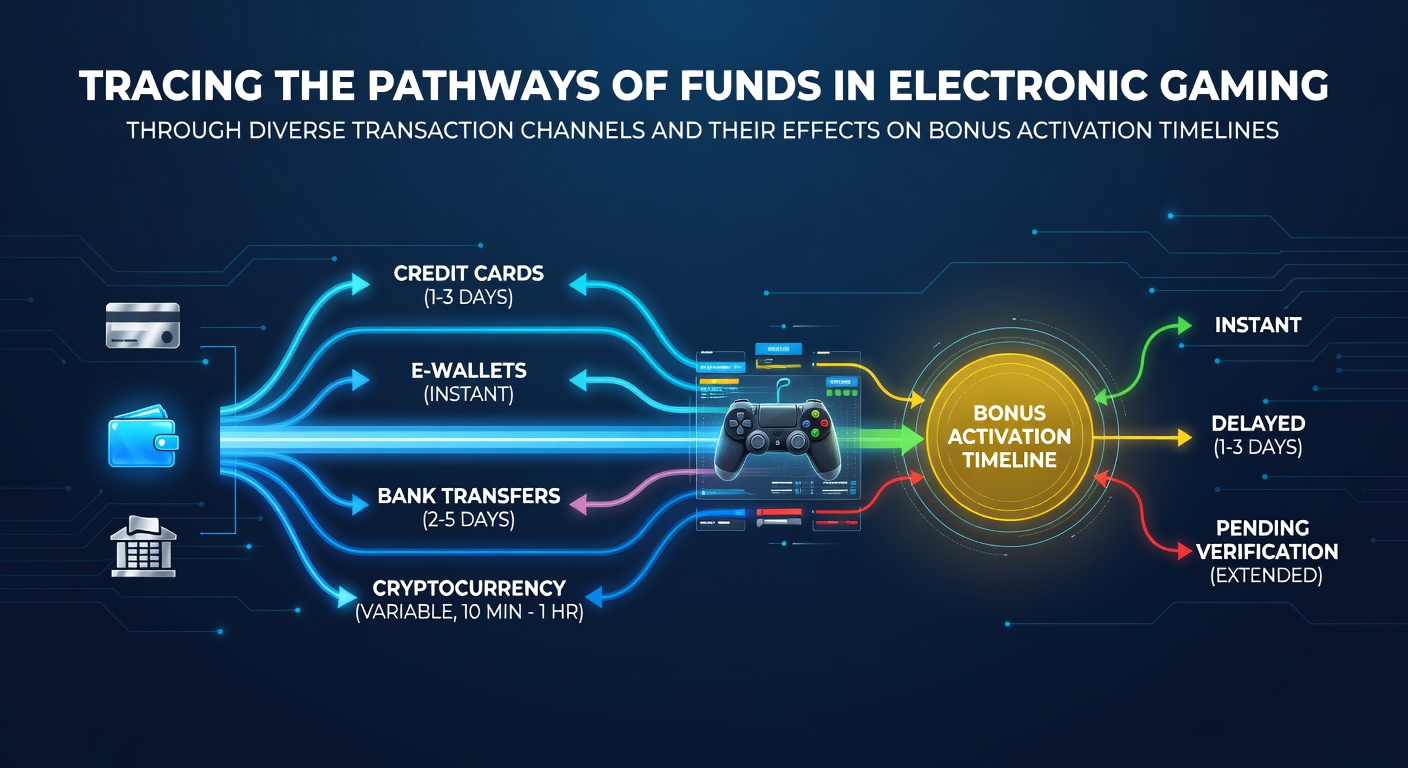
Electronic gaming platforms rely on multiple transaction channels to move player funds from deposit to withdrawal, and each route carries distinct processing characteristics that directly influence how quickly bonus offers activate. Credit card transactions typically clear through payment processors within seconds to minutes, yet they trigger verification steps that can extend bonus eligibility windows, whereas e-wallet transfers often complete in near real time and allow immediate bonus code application.
Transaction Channels and Their Processing Mechanics
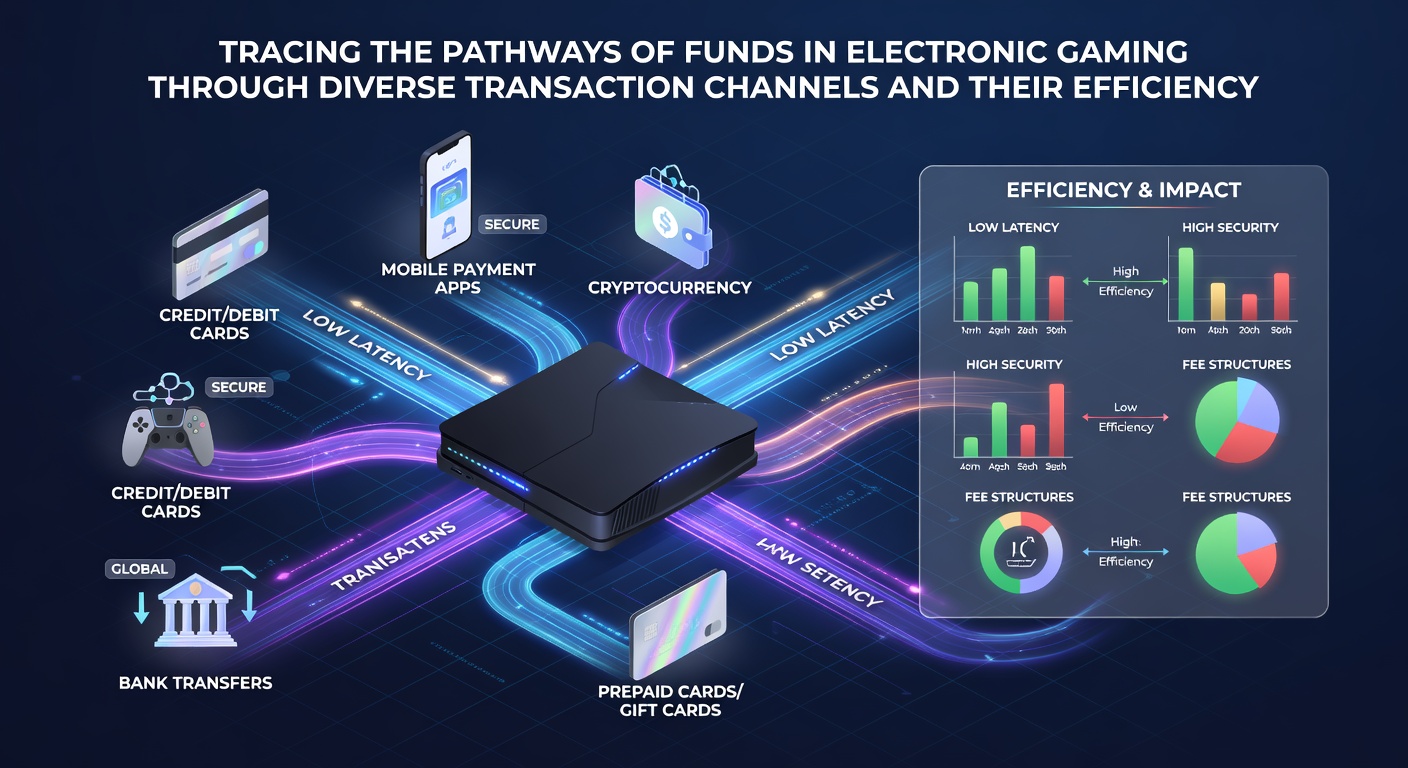
Bank transfers remain a staple for larger deposits, routing funds through automated clearing houses that settle in one to three business days, and this lag creates a measurable delay before operators credit accounts and unlock associated bonuses. Crypto options, including stablecoins on various blockchains, settle in blocks that confirm within minutes, though network congestion can stretch those confirmations and push bonus activation past initial promotional deadlines. Observers note that operators integrate these channels through third-party gateways, each adding layers of compliance checks such as anti-money laundering screenings that must finish before funds become available for play.
Data from regulatory filings shows that deposit success rates vary by method, with e-wallets achieving over 95 percent instant approvals in monitored jurisdictions while traditional bank wires require manual reconciliation in roughly 15 percent of cases. Those who've studied processing logs find that credit card declines due to merchant category restrictions force players to retry with alternate channels, restarting the bonus clock in many systems.
Bonus Activation Timelines Across Methods
Bonus structures often tie activation to completed deposits, yet the moment of completion differs sharply by channel. Instant methods let players enter bonus codes immediately after the transaction receipt appears in their account dashboard, whereas slower routes require waiting for settlement confirmations that operators verify against banking records. Research indicates that time-sensitive bonuses, such as those expiring within 24 hours of deposit, favor channels with sub-minute processing because delayed funds miss the window entirely.
Operators implement automated systems that scan incoming transactions and flag eligible deposits for bonus crediting, but these systems pause when verification flags appear on slower channels. What's interesting is how some platforms now offer instant bonus previews for verified e-wallet users while holding credit card deposits in a pending state until authorization codes clear through card networks.
Regulatory Influences on Fund Tracing
Compliance requirements shape how operators trace and report fund movements, particularly when bonuses form part of responsible gaming calculations. Starting in May 2026, several North American jurisdictions plan to enforce enhanced transaction reporting standards that mandate detailed logging of deposit sources before bonus funds can be wagered. These rules aim to close gaps where rapid crypto deposits previously bypassed slower verification pipelines.
According to information published by the Nevada Gaming Control Board, operators must maintain audit trails that link each bonus activation to a verified funding source, and failure to do so results in delayed approvals during routine inspections. Similar frameworks appear in Canadian provincial frameworks, where data from the Alcohol and Gaming Commission of Ontario reveals that e-wallet transactions require fewer manual interventions than wire transfers during bonus reviews.
Operational Impacts and System Adaptations
Platform developers respond to these timeline differences by building hybrid verification queues that prioritize high-speed channels for time-bound promotions while routing slower deposits through extended review processes. Take one operator who adjusted its bonus engine in early 2025 to auto-extend activation windows by 48 hours for bank transfer users, a change that aligned bonus availability with actual fund arrival rather than deposit initiation. Experts observe that such adaptations reduce player complaints about missed bonuses, yet they also increase backend processing loads during peak deposit periods.
Payment processors continue refining their APIs to deliver real-time status updates that operators feed directly into bonus systems, shortening the gap between transaction initiation and playable balance. Figures from industry reports show that platforms adopting these live feeds experience up to 30 percent faster bonus activations across mixed channel environments compared with batch-processed alternatives.
Conclusion
The interplay between fund pathways and bonus timelines centers on settlement speed, verification requirements, and regulatory reporting obligations that together determine when players gain access to promotional credits. As electronic gaming expands, operators refine their transaction infrastructures to balance speed with compliance, ensuring that diverse channels integrate without creating unintended delays in bonus activation. Those monitoring system performance continue to track how each payment method affects overall player experience and operational efficiency.