Patterns in User Retention Linked to Layered Reward Structures Across Sports and Casino Digital Platforms
Written by Tina Hansen · Jul 26, 2026
Patterns in User Retention Linked to Layered Reward Structures Across Sports and Casino Digital Platforms
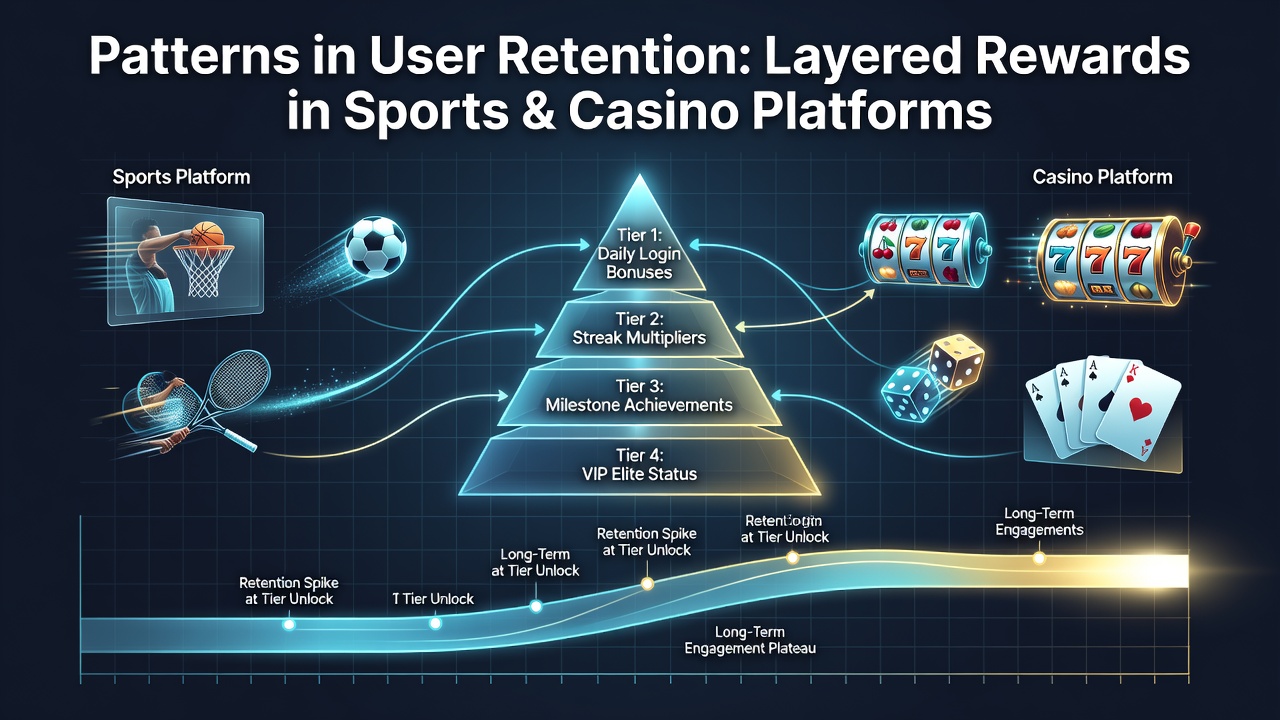
Layered reward structures in digital sports and casino platforms organize user engagement through progressive tiers, points accumulation, and milestone bonuses that unlock additional features as activity increases, and these systems create measurable retention effects across mobile applications and web interfaces. Research from multiple jurisdictions shows that users who advance through at least three reward layers demonstrate longer session durations and higher return rates compared with those who remain in entry-level segments. Platforms integrate these mechanics into both sports wagering environments, where live event betting feeds into cumulative points, and casino-style games, where reel spins and table rounds contribute to level progression, which produces overlapping patterns of sustained participation.
Core Components of Tiered Systems in Sports Platforms
Digital sports platforms apply layered rewards by converting wager volume into loyalty points that advance users through bronze, silver, gold, and platinum designations, each granting enhanced odds boosts, cashback percentages, and exclusive event access. Data compiled by industry tracking services indicates that users reaching silver status within the first 30 days exhibit a 28 percent increase in weekly logins, while those advancing further see compounding benefits that extend average account lifespan beyond 14 months. These structures often synchronize with seasonal sports calendars, so that football and basketball peaks align with accelerated point multipliers, which encourages consistent engagement during off-peak periods through carryover rewards.
Parallel Mechanisms in Casino Digital Environments
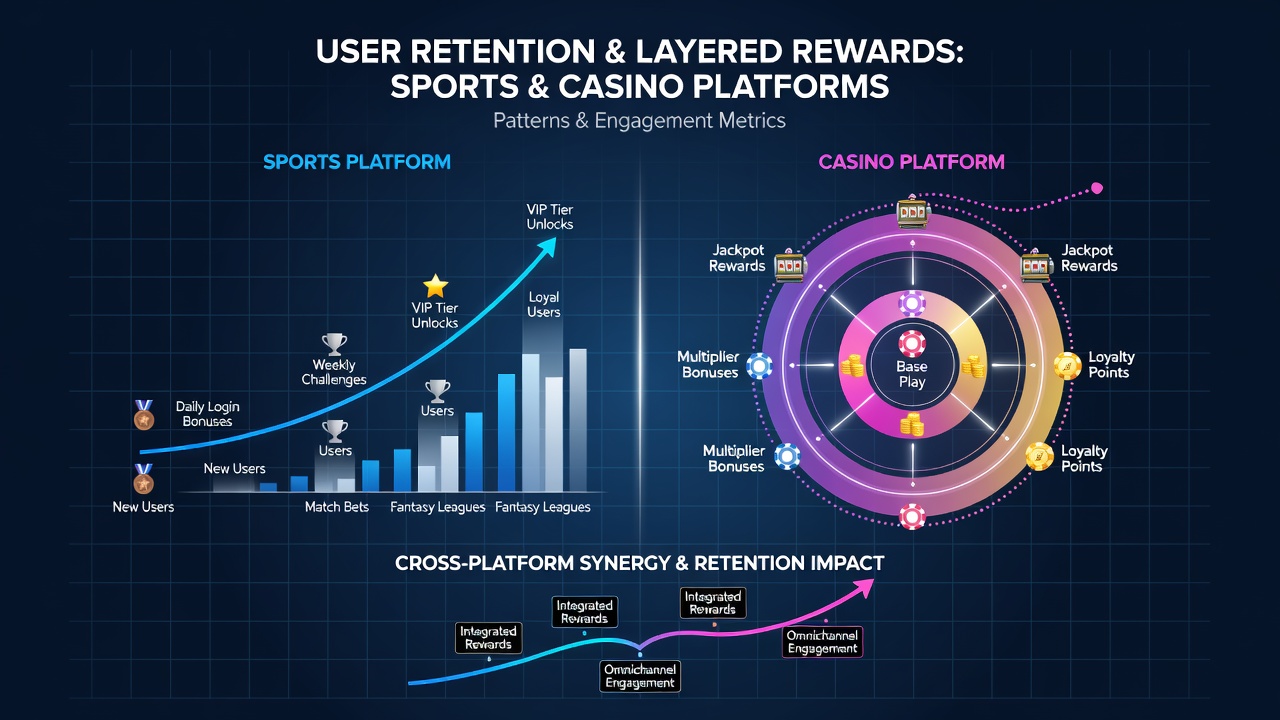
Casino platforms mirror this approach with layered systems that award points for slot spins, blackjack hands, and roulette placements, unlocking free spin packages, deposit match multipliers, and personalized game recommendations at higher tiers. Observers note that users who cross into the second reward layer within two weeks of registration maintain active accounts at rates nearly double those of non-advancing users, and the pattern holds across both reel-based and live dealer formats. July 2026 platform reports revealed that integrated mobile apps combining sports and casino sections produced the strongest retention curves when reward layers shared a unified points pool, allowing cross-activity progression without resetting balances.
Comparative Retention Data Across Platform Types
Studies conducted by the Australian Gambling Research Centre demonstrate that sports-focused apps retain tier-advancing users for an average of 11.4 months, whereas casino-centric platforms achieve 9.8 months under similar layered structures, yet hybrid environments that blend both verticals push retention past 13 months when points transfer seamlessly between betting and gaming modules. Retention curves flatten after the fourth tier in most datasets, suggesting diminishing returns beyond certain complexity thresholds, while early-layer milestones drive the largest gains in repeat visits. European regulatory filings from 2025 and 2026 further show that platforms disclosing clear advancement criteria experience lower churn among mid-tier users compared with those using opaque progression rules.
Behavioral Patterns and Milestone Effects
Users who receive visible progress indicators, such as progress bars or countdown timers toward the next reward layer, complete more transactions per session than those without such feedback, according to aggregated telemetry from multiple operators. Sports platforms record spikes in retention following in-play promotions tied to tier status, while casino environments see steadier gains from time-based challenges that feed into the same layered system. One documented case involved a North American operator that introduced shared loyalty across its sports and casino products in early 2026, resulting in a 19 percent lift in 90-day active user counts within the first quarter of implementation.
Technical Integration and Platform Variations
Backend architectures supporting these rewards typically employ modular point ledgers that update in real time across sports odds engines and casino random number generators, which reduces friction for users moving between sections. Mobile applications emphasize push notifications announcing tier upgrades or impending milestone bonuses, and desktop versions often surface detailed history panels that reinforce perceived value. Variations appear by region, with Canadian operators favoring cash-equivalent rewards at higher layers and Australian platforms incorporating tournament entries as tier benefits, yet the underlying retention linkage remains consistent across these implementations.
Conclusion
Layered reward structures generate measurable retention advantages in both sports and casino digital platforms through progressive milestone mechanics and unified point systems. Data from regulatory submissions and research centers confirms that users advancing through multiple tiers sustain longer engagement periods, with hybrid environments delivering the strongest outcomes when rewards transfer fluidly between verticals. Continued monitoring of these patterns in 2026 and beyond will clarify optimal tier depths and notification strategies that maximize account longevity without introducing excessive complexity.