Oklahoma Lawmakers Override Veto to Ban Sweepstakes-Style Online Casinos

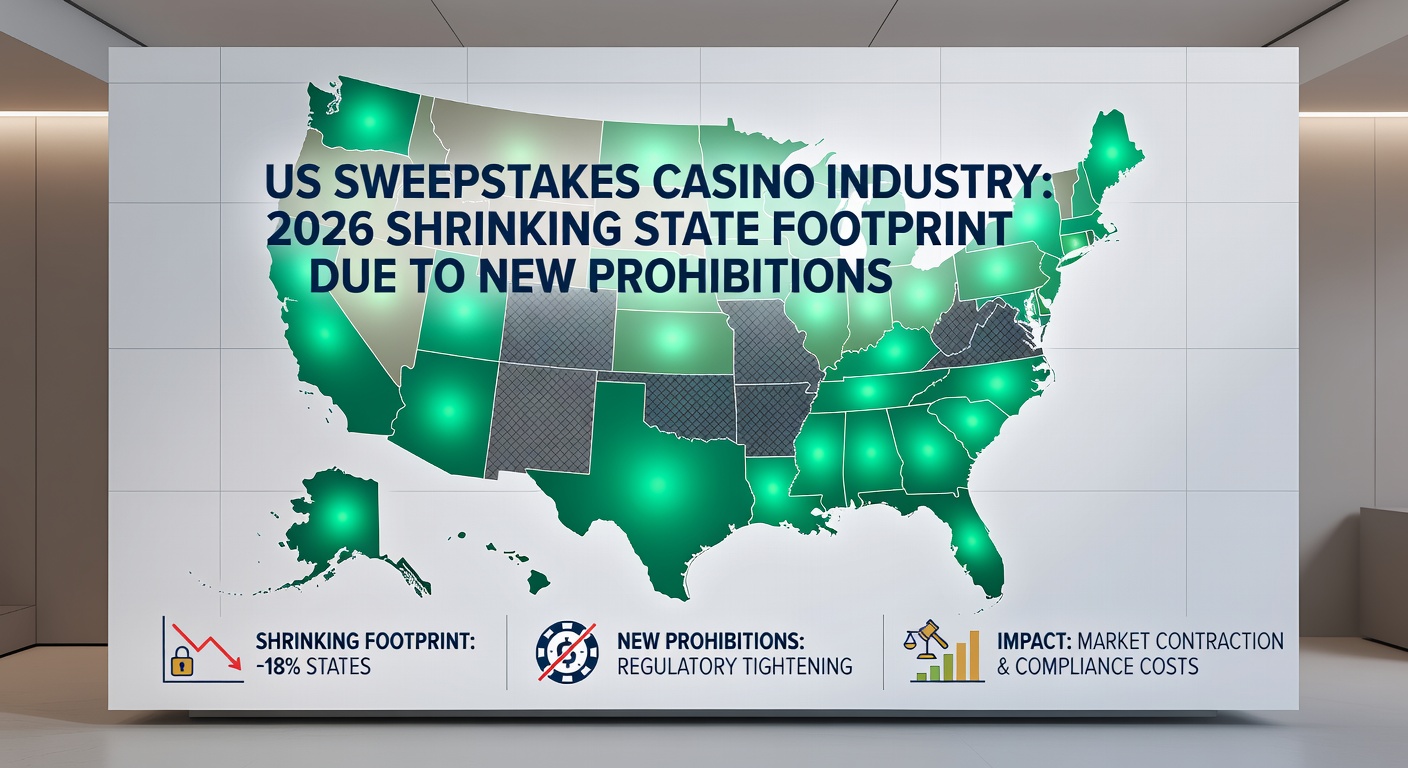
Oklahoma lawmakers overrode Gov. Kevin Stitt’s veto of Senate Bill 1589 during the final days of the 2026 legislative session, and this action established a statewide ban on sweepstakes-style online casino gaming along with dual-currency platforms that had operated in a regulatory gray area for years. The Senate recorded a 34-10 vote in favor of the override while the House followed with a 68-19 tally, and those margins proved sufficient to enact the measure into law despite the governor’s objections. The new statute takes effect on November 1, 2026, at which point operators, suppliers, and promoters face felony penalties for violations while tribal gaming conducted under the Indian Gaming Regulatory Act remains exempt from the prohibition.
Legislative Path and Vote Details
Observers note that the override occurred after several earlier attempts to address sweepstakes casinos had stalled, yet the final push in 2026 succeeded because both chambers reached the required majorities quickly once the bill reached the floor. Senate Bill 1589 had already cleared the legislature in its original form before landing on the governor’s desk, and the veto override simply restored the bill’s original language without further amendments. Those who tracked the proceedings report that the House vote reflected strong bipartisan support whereas the Senate margin, though comfortable, left room for a minority view that favored continued regulatory experimentation. In May 2026 lawmakers and industry participants alike began preparing compliance plans because the November effective date left limited time for platform operators to adjust business models or exit the market entirely.
Core Provisions of Senate Bill 1589
The statute defines sweepstakes-style online casino gaming and dual-currency platforms as prohibited activities when they involve real-money prizes derived from chance-based mechanics that mimic traditional casino games. Penalties escalate to felony status for anyone found operating, supplying software to, or promoting such platforms once the law activates, and enforcement authority rests with state officials who can pursue both criminal charges and civil remedies. Tribal operations conducted pursuant to the Indian Gaming Regulatory Act stay untouched because the measure explicitly carves out those activities, thereby preserving the existing compact framework between the state and Oklahoma’s federally recognized tribes. Data from legislative records show that sponsors crafted the exemption language to avoid legal challenges under federal Indian gaming statutes while still closing off the sweepstakes loophole that had allowed non-tribal entities to offer similar experiences.
Background on Prior Regulatory Efforts
Earlier sessions had seen proposals to legalize sports betting and to bring sweepstakes platforms under a licensing regime, yet those measures failed to advance past committee or floor votes, leaving the unregulated market to expand without oversight. The reality is that sweepstakes casinos had positioned themselves as alternatives to tribal casinos by using promotional sweepstakes entries and dual-currency systems that blurred lines between free play and paid participation. Lawmakers cited competition concerns when they advanced Senate Bill 1589, pointing out that the unregulated sites drew players away from state-licensed tribal facilities that contribute revenue through compact agreements. Research into similar bans in other jurisdictions indicates that clear statutory language combined with felony-level deterrents tends to accelerate market exit by non-compliant operators, and Oklahoma’s version follows that pattern.
Implementation Timeline and Enforcement Outlook
With the November 1, 2026, effective date now fixed, state agencies have begun internal planning for monitoring and enforcement protocols even though formal rules will not be finalized until later in the year. Operators who currently serve Oklahoma residents must decide whether to geoblock the state, transition to compliant sweepstakes models that remove real-money elements, or cease operations altogether. Suppliers of gaming software and third-party promoters also fall under the new restrictions, which means contracts signed before the ban may require renegotiation or termination to avoid felony exposure. Those who have studied comparable legislation in other states observe that enforcement often focuses first on the most visible platforms before expanding to smaller promoters, a strategy that conserves resources while sending a strong compliance signal.
Conclusion
The override of the veto on Senate Bill 1589 marks a decisive shift in how Oklahoma manages online gaming offerings that fall outside tribal compacts, and the law’s structure reflects deliberate choices about penalties, exemptions, and timing. As November 2026 approaches, the practical effects will become clearer through observed changes in platform availability and any resulting enforcement actions. The legislative record shows that supporters framed the measure as a way to protect existing tribal gaming revenue streams while eliminating unregulated competition, and the final vote tallies demonstrate that this framing secured the necessary majorities in both chambers.