Mapping the Connections Between Verification Processes and Reward Eligibility in Unified Betting Applications for Card and Wheel Games
Written by Tina Schulz · Aug 14, 2026
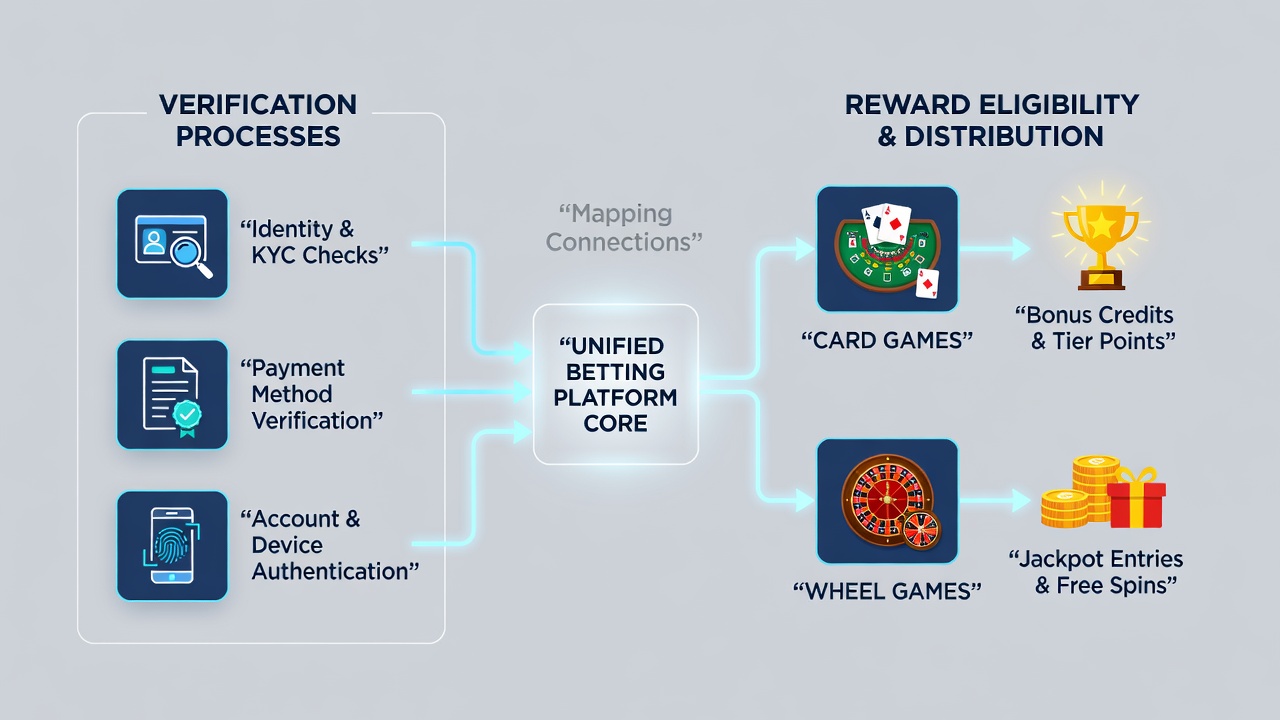
Mapping the Connections Between Verification Processes and Reward Eligibility in Unified Betting Applications for Card and Wheel Games
Verification processes in unified betting applications establish the foundation for reward eligibility across card and wheel games, where identity confirmation, account validation, and transaction monitoring directly determine access to bonuses, loyalty points, and promotional credits. These systems operate through layered checks that connect user data to game-specific triggers, ensuring compliance while activating rewards in real time during sessions involving blackjack, poker, roulette, or baccarat. Data from regulatory filings indicates that platforms integrating these elements report higher activation rates when verification completes before gameplay begins.
Core Components of Verification in Unified Platforms
Unified applications combine card and wheel game interfaces under single accounts, which requires verification steps that span document uploads, biometric scans, and payment method authentication before any reward structures activate. Observers note that these checks often occur in sequence, with initial identity verification unlocking basic eligibility and subsequent transaction reviews determining bonus release timelines. Research from the Nevada Gaming Control Board shows that delays in verification correlate with extended waiting periods for reward claims in digital environments operating through 2026.
Payment source confirmation plays a central role because unified apps route funds through shared wallets that feed both card tables and wheel spins, yet reward eligibility hinges on cleared deposits meeting minimum thresholds. Figures reveal that applications enforcing multi-factor checks see reduced instances of disputed bonuses, particularly when users switch between game types mid-session. And since August 2026 updates have emphasized automated cross-checks between banking records and game logs, eligibility windows have tightened for many operators.
Linking Verification Status to Reward Triggers
Reward eligibility in these applications maps directly onto verified status levels, where fully authenticated accounts gain immediate access to deposit-match bonuses and free spin allocations tied to wheel games, while card game progressions unlock loyalty multipliers only after sustained verification audits. Those who've examined platform architectures find that partial verification often restricts users to base gameplay without promotional overlays, creating clear separation points in user journeys. Studies indicate that reward systems pull from centralized databases updated during verification, so any mismatch in address or age data blocks activation across both game categories.
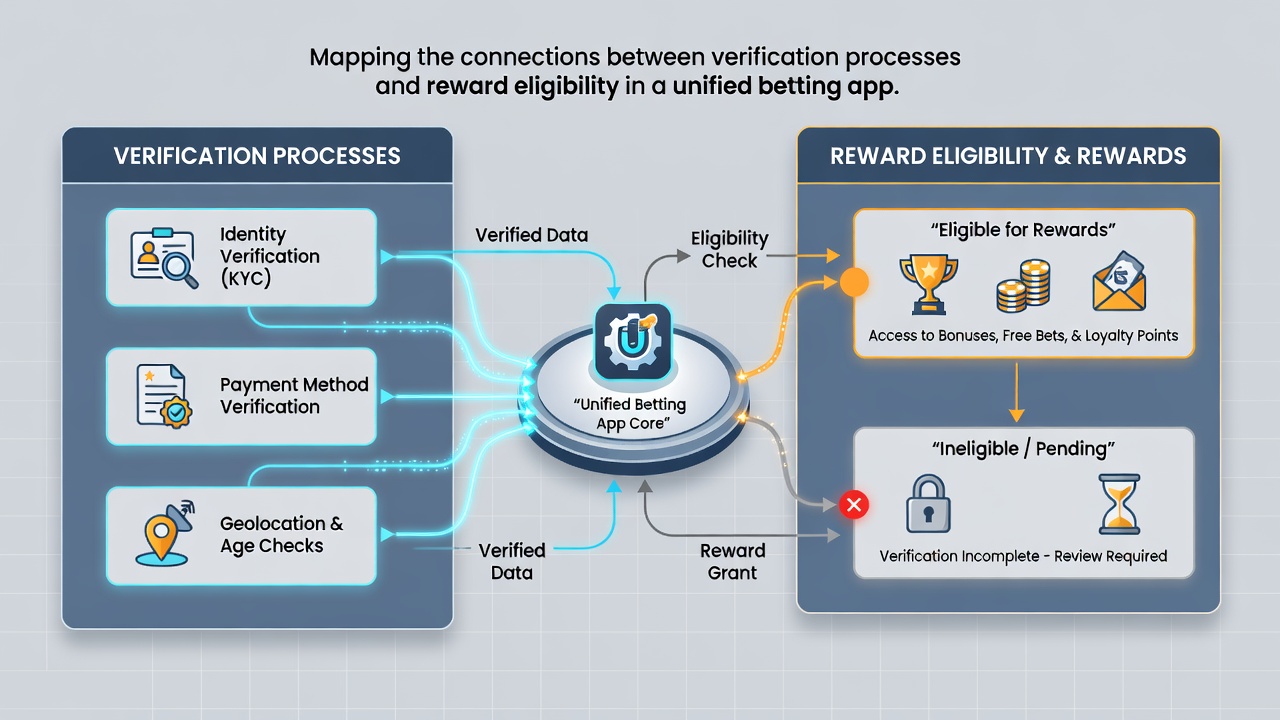
Transaction velocity monitoring adds another layer because rapid deposit-and-play patterns in unified apps trigger additional verification flags that pause reward distribution until cleared. According to reports from the Australian Gambling Research Centre, platforms using these controls maintain consistent eligibility outcomes even during peak hours, when card and wheel traffic overlap. The connections become evident when users attempt to claim hybrid rewards that span both game types, as verification must cover the entire account history rather than isolated sessions.
Game-Specific Interactions in Card and Wheel Environments
Card games within unified apps demand verification that supports strategy tracking for reward purposes, since elements like hand history and table time contribute to tiered bonuses only after identity and location checks confirm eligibility. Wheel games, by contrast, tie rewards more closely to spin volume and bet size, yet both rely on the same underlying verification framework to prevent duplicate accounts from accessing parallel promotions. Evidence from industry analyses suggests that synchronization between verification databases and game servers reduces eligibility errors by aligning real-time data feeds during live play.
Seasonal patterns observed through mid-2026 demonstrate that verification completion rates rise when applications send targeted prompts during high-traffic periods for wheel games, which in turn accelerates reward eligibility for subsequent card sessions. Those monitoring these trends note that cross-game reward pools require a single verified profile, making the initial process the gatekeeper for all future claims.
Operational Impacts and Data Patterns
Platform operators track verification-to-reward timelines through analytics that highlight bottlenecks, such as document re-submissions or location service failures that postpone bonus availability in unified environments. Data shows that applications with streamlined verification paths achieve faster reward activation for both card and wheel participants, particularly when using integrated third-party services for age and identity confirmation. External linkages appear in how banking partners feed verified transaction data back into the reward engine, ensuring eligibility aligns with actual fund movements rather than pending states.
Geographic variations influence these mappings because different jurisdictions impose distinct verification standards that affect reward portability across card and wheel offerings in the same app. Canadian provincial regulators, for instance, require ongoing address validation that directly impacts ongoing loyalty point accrual in digital table and wheel formats.
Conclusion
The connections between verification processes and reward eligibility form an integrated structure in unified betting applications, where each verification layer feeds eligibility rules that apply uniformly to card and wheel games. These mechanisms rely on shared data flows and automated checks that maintain consistency across game types while responding to regulatory and operational demands. As platforms continue evolving through 2026, the mapping of these elements determines how users progress from account setup to full reward participation without interruption.