Loyalty Program Mechanics Aligning with In-Game Decision Points Across Digital Betting Interfaces
Written by Vera Bennett · Aug 26, 2026
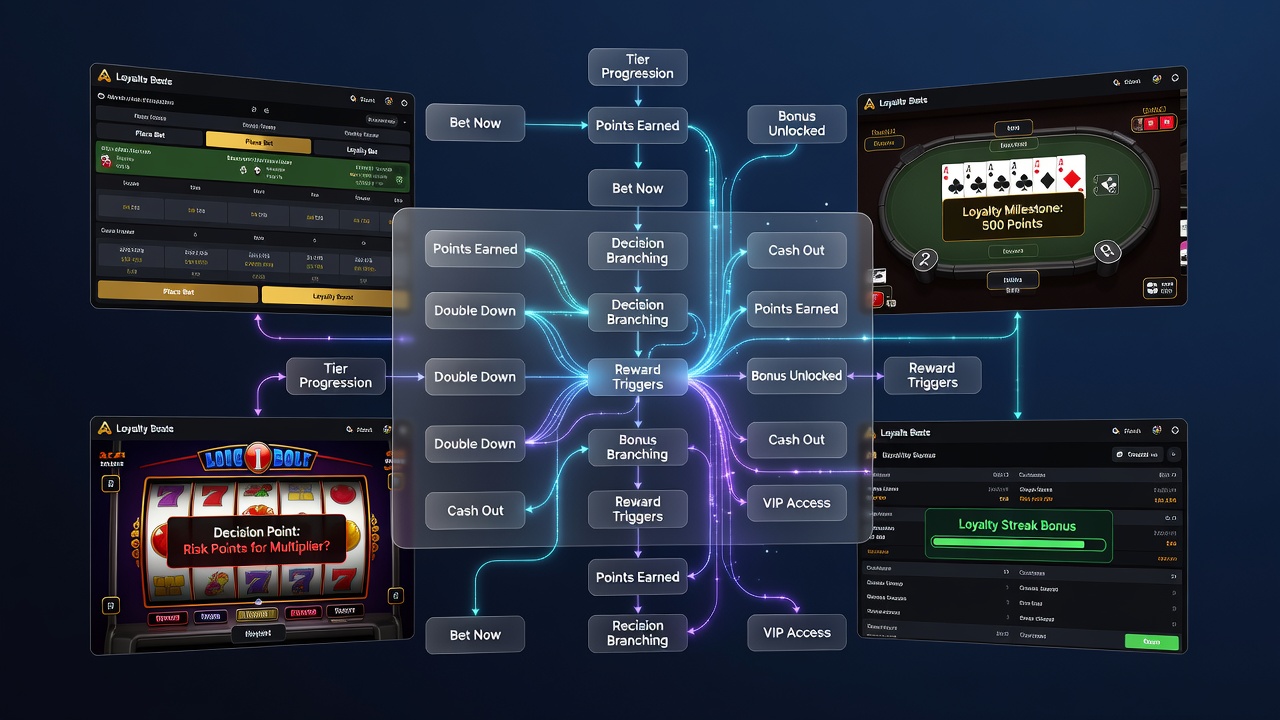
Loyalty Program Mechanics Aligning with In-Game Decision Points Across Digital Betting Interfaces
Digital betting platforms have developed loyalty systems that tie reward mechanics directly to specific moments when users make choices inside games or betting sessions, and these alignments create structured pathways for point accumulation, tier progression, and redemption triggers that respond to real-time activity rather than end-of-session summaries. Researchers examining interface design note that such synchronization allows programs to present offers or status updates exactly when a bet amount is selected, a game variant is chosen, or an in-play adjustment occurs.
Core Components of Aligned Loyalty Mechanics
Points systems in these environments calculate value based on wager size, frequency, and game type at the instant a decision registers, which means a user selecting a higher-stakes option in a slot or table game interface receives immediate visual feedback on loyalty meter movement. Data from industry tracking shows that many platforms now embed tier-status indicators within the betting panel itself, so participants see progress toward the next reward level while still deciding on stake levels or bonus features. This placement reduces the separation between play action and program response, creating a continuous loop where each choice feeds the loyalty calculation without requiring navigation away from the active screen.
Decision-Point Triggers in Mobile and Web Interfaces
Observers tracking app behavior report that loyalty notifications often activate at three recurring junctures: pre-bet confirmation screens, post-result summary panels, and during live-event adjustment windows in sports or table formats. At the pre-bet stage, the interface may display an incremental point multiplier tied to the chosen wager size, encouraging users to weigh loyalty impact alongside payout odds. After outcomes resolve, the system logs points and may surface limited-time redemptions that apply only if the next decision occurs within a defined timeframe, which integrates the reward mechanic into the immediate sequence of continued play.
Platforms operating across multiple jurisdictions have adjusted these triggers to match local technical standards, yet the underlying pattern remains consistent: loyalty data updates occur at the same server call that processes the game result. As of August 2026, several major operators report that embedding these updates has increased session continuity metrics, because users encounter reward information without leaving the active game flow.
Technical Synchronization Patterns
Engineers building these systems rely on API calls that push loyalty state changes alongside game-state packets, ensuring the visual elements on screen reflect both the betting outcome and any loyalty milestone simultaneously. Studies of user navigation patterns indicate that when status bars or point counters refresh in the same view as the betting controls, decision latency shortens because participants do not need to switch tabs or menus to assess program benefits. This tight coupling also allows conditional rewards, such as bonus spins or cashback credits, to appear only after a specific sequence of decisions meets predefined criteria, such as consecutive wagers above a threshold or selections across designated game categories.
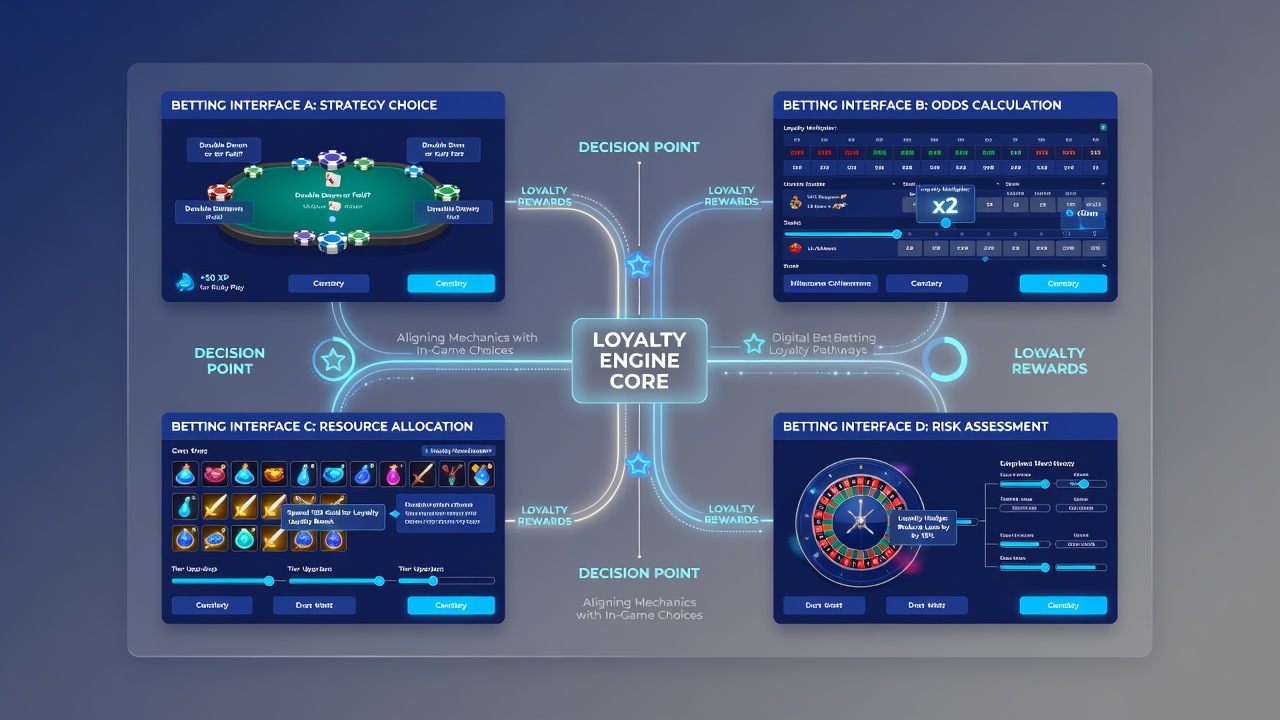
One documented approach involves dynamic multipliers that scale according to the user's current tier and the exact decision point reached; for example, a loyalty boost may apply automatically when a player increases stake size mid-session, and the updated rate displays before the next spin or hand begins. Such mechanics rely on real-time database queries that cross-reference account history with the current game context, delivering personalized values without additional user input.
Observed Effects on Session Structure
Analytics collected across large user bases reveal that loyalty prompts positioned at decision points correlate with shifts in average wager distribution and game selection order. Participants often review loyalty meter status before finalizing a bet, which introduces an additional variable into the choice process alongside traditional odds and bankroll considerations. Reports from platform operators indicate that redemption options triggered at these moments tend to see higher uptake rates than those presented in separate loyalty hubs, because the timing aligns with active engagement rather than post-session review.
According to findings published by the American Gaming Association, integrated reward displays have become standard in markets where digital betting volumes continue to expand. Parallel research from the Australian Gambling Research Centre examines how these alignments influence repeat decision sequences, noting measurable differences in play duration when loyalty feedback appears inline versus in delayed summaries.
Conclusion
The alignment of loyalty program mechanics with in-game decision points represents a deliberate architectural choice in contemporary digital betting interfaces, one that places reward calculations inside the same workflow users follow when placing wagers or adjusting strategies. This integration relies on synchronized data flows, tier-based multipliers, and context-aware notifications that activate at pre-bet, post-result, and live-adjustment stages. As platforms refine these systems, the focus remains on maintaining consistent timing between game actions and loyalty responses, supported by technical standards that allow real-time updates without disrupting session flow.