How Interface Sync Between Reel Spins and Live Odds Feeds Shapes Reward Claim Windows on Handheld Devices
Written by Paul Russell · Aug 23, 2026

How Interface Sync Between Reel Spins and Live Odds Feeds Shapes Reward Claim Windows on Handheld Devices
Interface synchronization between reel spins and live odds feeds operates through layered data pipelines that pull real-time inputs from slot mechanics and sports betting streams, then align those streams within mobile application frameworks to determine precise reward claim windows on handheld devices, where timing protocols dictate eligibility periods for bonus activations tied to both spin outcomes and odds fluctuations.
Developers implement application programming interfaces that transmit reel position data at intervals as short as 50 milliseconds while simultaneously ingesting live odds updates from external feeds, creating a unified timeline that governs when users can initiate reward claims before the window closes due to desynchronization or feed latency spikes.
Core Mechanics of Data Alignment in Mobile Environments
Reel spin sequences generate discrete event markers that mobile operating systems log alongside incoming odds packets, and this dual-stream processing occurs within dedicated synchronization modules that compare timestamps to establish correlation thresholds, whereas mismatches beyond 300 milliseconds often trigger automatic extension or contraction of the claim window based on predefined rulesets.
Handheld hardware variations, including differences in processor clock speeds and network stack handling across Android and iOS platforms, influence how these alignments hold under varying signal conditions, and observers note that devices with optimized graphics processing units maintain tighter sync loops during combined reel and odds sessions.
Data from platform monitoring in August 2026 indicates that integrated feeds reduce claim window variances by aligning spin completion signals directly with odds refresh cycles, allowing systems to calculate remaining eligibility time without intermediate buffering delays.
Effects on Reward Claim Timelines and User Sessions
Claim windows shrink or expand according to the stability of the synced feeds, with reel events serving as anchors that reset timers when odds data arrives within specified tolerance bands, yet prolonged feed interruptions force fallback protocols that freeze the window until reconnection occurs.
Research from the University of Nevada's gaming technology lab shows that synchronized interfaces correlate with higher completion rates for reward activations when spin and odds events overlap within 150 milliseconds, creating measurable impacts on session continuity across portable devices.
But here's the thing: network handoffs between Wi-Fi and cellular data introduce jitter that disrupts these alignments, prompting applications to adjust claim parameters dynamically and log the adjustments for compliance reporting to bodies such as iGaming Ontario.
Platform Implementation Patterns Observed in 2026
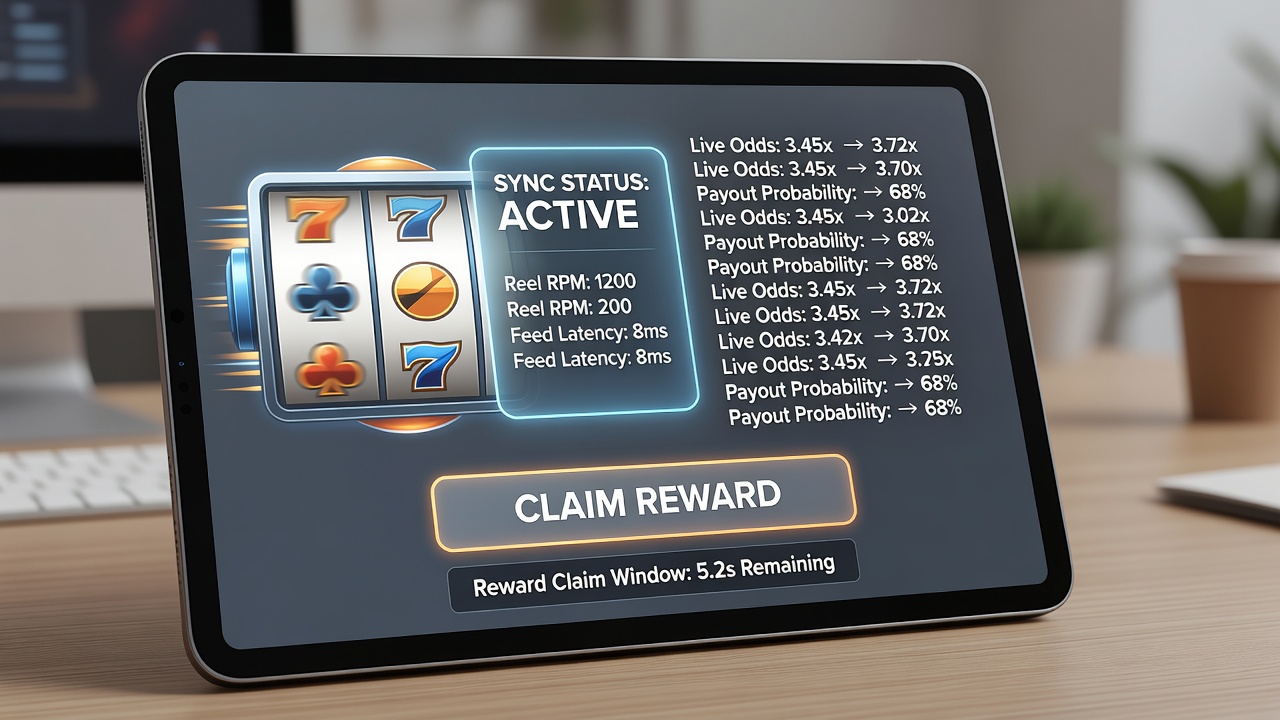
Applications deployed in mid-2026 incorporate predictive buffering that anticipates odds changes during extended reel sequences, and this approach stabilizes claim windows by pre-calculating potential overlaps before the physical spin animation concludes on the device screen.
Those who monitor cross-platform performance report that unified interfaces handling both reel and live odds data achieve consistent window durations when backend services enforce strict sequencing rules, whereas fragmented feeds lead to staggered resets that fragment user eligibility periods.
Figures from the American Gaming Association reveal steady adoption of such sync protocols across mobile deployments, with emphasis on minimizing latency through edge computing nodes positioned near major data centers serving handheld traffic.
Technical Factors Influencing Window Durations
Clock drift between device local time and server authoritative time affects how reel completion events map onto odds feed arrivals, prompting developers to embed periodic resynchronization routines that recalibrate the shared timeline without interrupting active sessions.
Memory allocation patterns on handheld devices also play a role, since concurrent handling of animation threads and data reception queues can introduce processing delays that indirectly shorten available claim intervals if not managed through priority scheduling.
What's interesting is that integration with device-level push notification systems allows applications to extend claim windows by notifying users of imminent closure when sync integrity drops below operational thresholds, and this mechanism operates independently of the core reel-odds alignment layer.
Conclusion
Interface synchronization between reel spins and live odds feeds establishes the operational boundaries for reward claim windows on handheld devices by enforcing timestamp correlations and latency tolerances that directly govern eligibility durations, and ongoing refinements in data pipeline architecture continue to shape these parameters across evolving mobile ecosystems as documented in 2026 performance metrics.