How Biometric Verification Systems Are Reshaping Account Security Protocols in Digital Wagering Environments

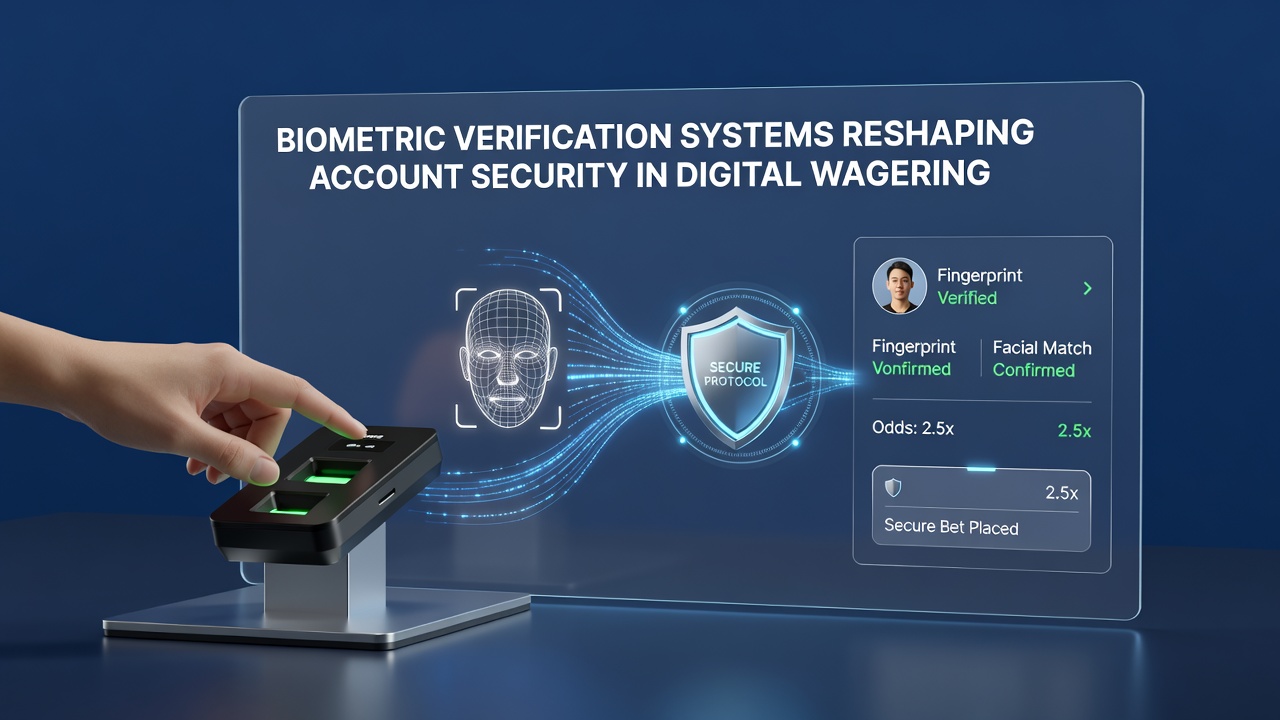
Biometric verification systems have moved from niche experiments to core components of account security in digital wagering platforms, where operators integrate fingerprint scans, facial recognition, and voice patterns to confirm user identities before transactions or bets proceed. These technologies replace or supplement traditional passwords and two-factor codes, reducing vulnerabilities that arise when credentials get stolen or shared across devices.
Core Technologies Driving the Shift
Operators deploy multiple biometric methods simultaneously in many cases, combining facial analysis with device-based fingerprint readers to create layered checks that activate at login, during large withdrawals, or when account activity deviates from established patterns. Research from the American Gaming Association shows adoption rates climbing steadily through 2025 and into June 2026, particularly among platforms serving regulated markets in North America and parts of Europe.
Facial recognition stands out for its convenience on mobile apps, where users complete a quick scan that compares live imagery against stored templates without requiring additional hardware. Voice biometrics appear in customer support integrations, allowing verification during phone-based account recovery while the system cross-references speech patterns against prior interactions. Fingerprint authentication remains common on devices that support it natively, yet platforms often pair it with behavioral analytics that track typing rhythms and navigation habits to flag potential account takeovers.
Effects on Existing Security Frameworks
Traditional protocols centered on knowledge-based questions and SMS codes face replacement because biometric data resists remote replication more effectively than static passwords. When a platform adopts these systems, login failures drop in documented cases while fraud attempts involving stolen credentials encounter immediate blocks at the verification stage. Data compiled by the Alcohol and Gaming Commission of Ontario indicates that jurisdictions mandating enhanced identity checks report measurable declines in unauthorized access incidents after biometric rollouts.
Account recovery processes also change under these systems. Instead of resetting passwords through email links that attackers can intercept, users undergo live biometric recapture that ties the session to the original enrollment data. This adjustment shortens resolution times for legitimate account holders while extending the effort required for fraudulent claimants who lack matching biological markers.
Regulatory Drivers and Geographic Variations
Regulators across different regions set distinct requirements that accelerate biometric integration. In Australia the Australian Communications and Media Authority requires operators to implement identity assurance measures that many platforms satisfy through biometric enrollment at account creation. Canadian provinces have followed similar paths, with Ontario's framework emphasizing continuous verification during high-value sessions. These rules push platforms to store biometric templates in encrypted formats that meet local data protection standards rather than relying solely on third-party password managers.
European operators face additional layers from cross-border directives that encourage standardized verification methods, yet implementation timelines vary by member state. Platforms operating in multiple jurisdictions therefore maintain flexible systems that switch between biometric modalities depending on the user's location and the governing regulations at the time of access.
Operational Integration and User Experience Adjustments
Deployment involves more than hardware additions because wagering apps must balance security checks against session flow. Developers embed biometric prompts at strategic points, such as before confirming a bet or initiating a withdrawal, so the process interrupts play only when risk thresholds trigger. Observers note that platforms testing these integrations in controlled environments during early 2026 recorded higher completion rates for verified transactions compared with older code-based systems.
Training data quality affects accuracy, and operators update templates periodically to account for natural changes in appearance or voice. When discrepancies arise the system routes the user to alternative verification paths that still avoid passwords, preserving the biometric-first approach while maintaining access for individuals whose biometrics shift over time.
Technical Challenges in Widespread Adoption
Storage of biometric templates raises questions about encryption strength and breach consequences because unlike passwords these markers cannot be changed if compromised. Platforms address this through on-device processing where possible, keeping raw data off central servers and transmitting only mathematical representations for comparison. Studies from research institutions tracking wagering security trends show that hybrid models combining on-device and cloud verification achieve lower false rejection rates while meeting audit requirements.
Device compatibility creates another layer of complexity. Older smartphones lack advanced sensors, forcing operators to offer fallback methods that still incorporate some form of biometric element, such as video-based facial checks rather than infrared depth mapping. This tiered strategy ensures broader user coverage without diluting the overall security posture.
Conclusion
Biometric verification continues to embed itself into digital wagering security protocols as operators respond to regulatory expectations and evolving threat landscapes. Systems built around fingerprint, facial, and voice data reduce reliance on easily transferable credentials while introducing new considerations around template protection and cross-device functionality. As adoption expands through mid-2026, platforms refine integration points to maintain transaction speed alongside heightened identity assurance across regulated markets.