Examining Synchronization Patterns Between Virtual Reel Mechanics and Loyalty Reward Triggers in Portable Gaming Apps

Portable gaming apps have incorporated virtual reel mechanics that mirror traditional spinning systems yet operate within digital frameworks designed for mobile devices; these elements combine with loyalty reward triggers that activate based on user progression metrics tracked in real time. Researchers at institutions across North America and Europe have documented how reel alignment sequences often coincide with reward delivery points to maintain session continuity. Data from industry monitoring platforms indicate that apps employing these synchronized features record extended average play durations compared to those without integrated timing structures.
Virtual Reel Mechanics in Mobile Environments
Virtual reels function through algorithmic sequences that determine symbol outcomes on portable screens while adapting to touch-based inputs and variable screen orientations; developers program these reels to cycle through predefined probability distributions that align with session milestones. Observers note that many puzzle and arcade-style applications integrate reel spins as core progression tools rather than isolated mini-games. According to reports compiled by the Interactive Games and Entertainment Association in Australia, reel-based features appear in over 35 percent of top-grossing casual titles released between 2024 and 2026. These mechanics allow continuous visual feedback loops that respond instantly to player actions while preserving computational efficiency on handheld hardware.
Loyalty Reward Trigger Systems
Loyalty systems in portable apps monitor cumulative play metrics such as completed levels, daily logins, and achievement thresholds before dispensing virtual currency, power-ups, or cosmetic upgrades. Triggers activate through backend scripts that evaluate user data against preset criteria, often releasing rewards immediately following specific reel outcomes. Studies conducted by Canadian academic groups reveal that reward timing correlates strongly with reel stop events in applications that emphasize collection mechanics. Those who analyze app telemetry observe that staggered reward intervals prevent rapid depletion of engagement curves while encouraging repeated sessions across multiple days.
Observed Synchronization Patterns
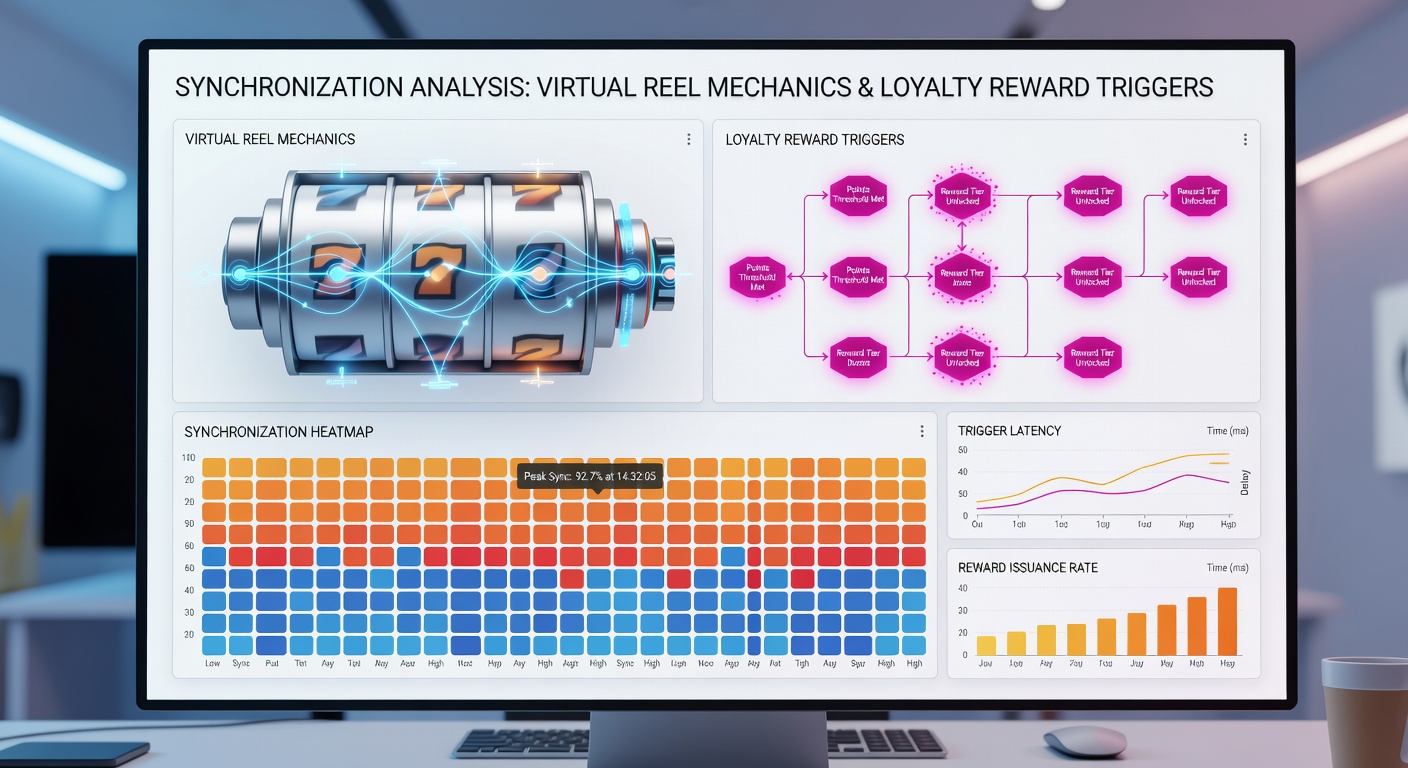
Patterns emerge when reel stop sequences directly precede or follow reward notifications within narrow temporal windows of two to four seconds. Application analytics platforms tracking millions of sessions show clustered activation events where reel alignments coincide with loyalty point milestones. In June 2026, updated datasets from mobile analytics firms highlighted increased synchronization density in titles updated during the preceding quarter. Experts examining these datasets point to backend optimization routines that adjust trigger sensitivity based on regional usage peaks and device performance indicators.
One documented pattern involves escalating reel speeds that decelerate precisely as loyalty meters reach capacity thresholds, creating visual emphasis around reward moments. Another pattern distributes reel-triggered bonuses across multiple reward tiers rather than concentrating them at single points. Research indicates these distributed models reduce abrupt session terminations by spacing out high-value triggers throughout extended play periods.
Data Insights and Industry Measurements
Telemetry collected from diverse portable platforms demonstrates measurable differences in retention rates when synchronization intervals remain consistent versus variable. Figures released by European digital entertainment research consortia show applications maintaining sub-five-second reel-to-reward gaps achieve higher seven-day retention percentages. Those who've reviewed cross-platform data note that synchronization effectiveness varies by genre, with match-style and collection games exhibiting stronger correlations than narrative-driven experiences.
Additional measurements track how device-specific factors such as processor speed and network latency influence perceived synchronization quality. Developers adjust reel animation durations accordingly to compensate for hardware differences while preserving reward trigger alignment. Reports compiled through academic partnerships in Asia indicate that optimized synchronization contributes to lower uninstall rates during the first month after installation.
Technical Implementation Approaches
Engineering teams implement synchronization through event-driven architectures that link reel outcome generators directly to loyalty management modules. These connections rely on timestamped event queues that prioritize reward delivery immediately after confirmed reel stops. Code structures often incorporate conditional checks that verify both mechanical outcomes and user eligibility before executing reward scripts. Observers who examine publicly available developer documentation find frequent references to modular design patterns that facilitate rapid adjustments to timing parameters without full application rebuilds.
Testing protocols include simulation environments that replicate varied network conditions and user behavior profiles to verify consistent pattern delivery. Automated monitoring tools flag deviations from target synchronization windows, allowing teams to refine algorithms before public releases. Such practices have become standard across development studios focused on long-term user retention metrics.
Conclusion
Analysis of synchronization patterns between virtual reel mechanics and loyalty reward triggers continues to inform development decisions in the portable gaming sector as data collection capabilities expand through 2026. Technical frameworks that align these systems demonstrate measurable impacts on session metrics according to aggregated industry and academic sources. Future refinements will likely build upon existing event timing structures to accommodate evolving hardware and user expectations across global markets.