Electronic Transfer Methods Influence Reward Claim Timing in Handheld Gaming Platforms
Written by Finley Butler · Jul 19, 2026
Electronic Transfer Methods Influence Reward Claim Timing in Handheld Gaming Platforms
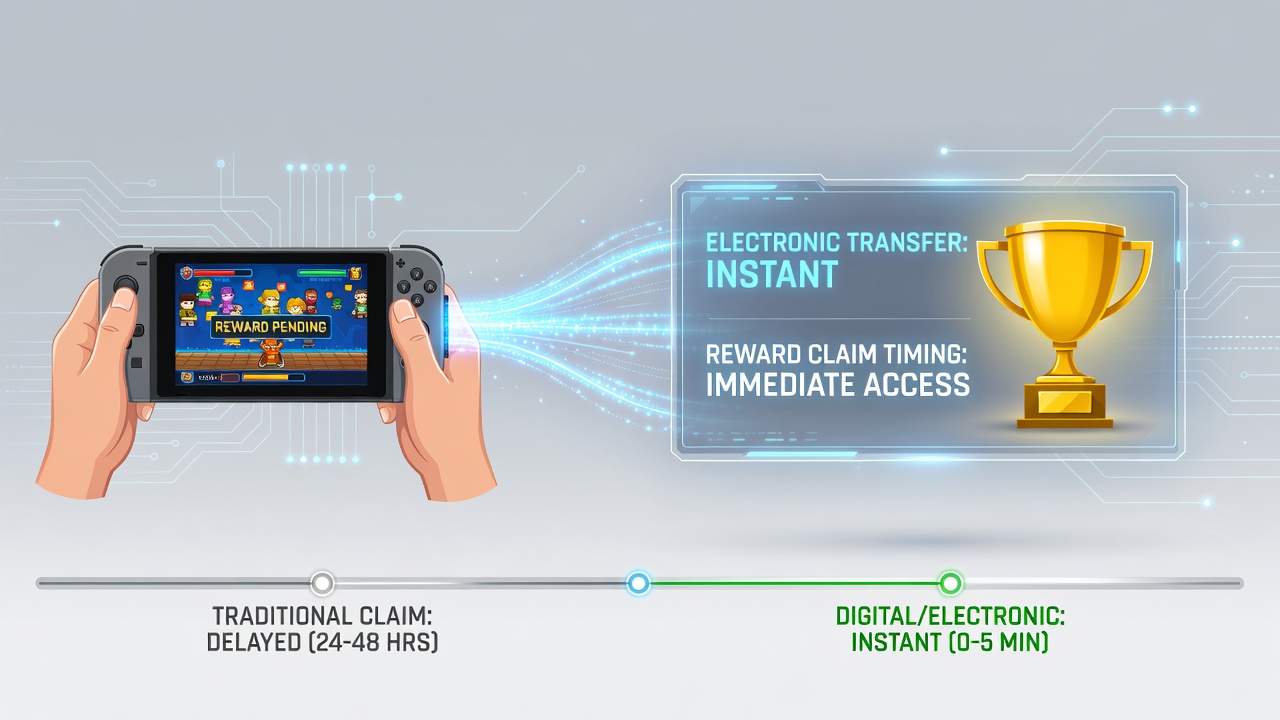
Electronic transfer methods shape reward claim timing across handheld gaming platforms through differences in processing speeds, verification protocols, and settlement windows. Platforms rely on these transfers for deposits that unlock in-app rewards, loyalty bonuses, and progression incentives, while the specific channel chosen determines how quickly those rewards become available. Credit card transactions often clear instantly on many systems, whereas bank transfers introduce delays that can stretch from hours to multiple business days depending on the institutions involved. Observers note that e-wallet services such as PayPal and Apple Pay frequently bridge the gap between speed and security, allowing reward claims to activate within minutes after funds arrive. In contrast, direct bank wires or ACH transfers require additional confirmation steps that postpone the moment when a player can access earned bonuses. Data from industry monitoring in early 2026 indicates that platforms using instant settlement options report higher rates of immediate reward redemptions compared with those dependent on traditional banking rails.Processing Variations Across Transfer Channels
Payment rails differ in their technical architecture, which directly affects the sequence of events leading to reward eligibility. Instant methods authenticate funds at the point of transfer, triggering automated scripts that release rewards without manual review, while slower channels queue transactions for batch processing that occurs at set intervals throughout the day. Researchers tracking mobile gaming patterns found that reward activation latency averaged under two minutes for digital wallet deposits but extended to 48 hours or more for certain international bank transfers during July 2026.
Security layers add another variable. Multi-factor authentication and fraud screening applied to larger transfers can insert additional holds even on otherwise fast channels, whereas smaller routine deposits often bypass these checks. Those who monitor transaction logs across major handheld platforms report that reward claim windows shrink noticeably when users select channels with built-in real-time verification.
Platform Integration and Reward Logic
Handheld gaming applications embed reward logic that references the timestamp of confirmed deposits, yet the underlying transfer method dictates when that timestamp occurs. Systems integrated with faster processors mark funds as available immediately, enabling seamless progression through loyalty tiers or unlock sequences, while delayed methods create gaps where players see pending status rather than active rewards. Figures from aggregated app analytics reveal that platforms optimized for multiple transfer types maintain separate queues to prevent slower transactions from blocking faster ones.
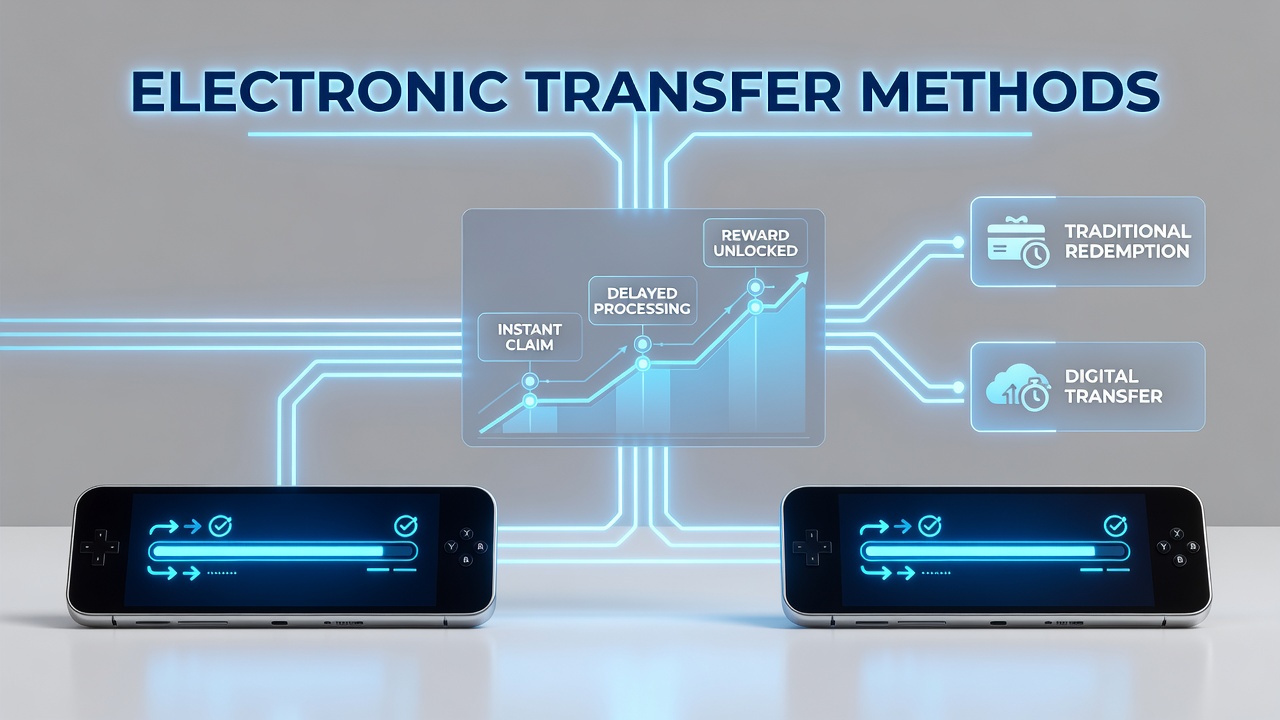
Developers adjust backend rules according to the dominant transfer preferences within their user base. Regions with widespread adoption of instant digital wallets show tighter synchronization between deposit confirmation and reward availability, whereas markets still reliant on legacy banking see extended claim periods as standard. One study of portable gaming traffic patterns documented that reward utilization rates increased when platforms offered clear indicators of expected processing durations for each method.
Regional Patterns and Regulatory Context
Geographic differences emerge in how transfer methods interact with reward systems. European platforms often align with SEPA instant payments that compress settlement to seconds, allowing reward claims to proceed without interruption. North American operators incorporate a broader mix of card networks and emerging real-time payment rails, creating variable windows that users navigate based on their chosen method. According to data published by the iGaming Ontario regulatory framework, transaction method selection accounted for measurable differences in bonus activation timelines during the first half of 2026.
Australian operators follow similar patterns under oversight from the Australian Communications and Media Authority, where reporting requirements highlight the correlation between payment speed and player engagement metrics. Observers tracking cross-border activity note that currency conversion steps within certain transfer channels introduce further delays not present in domestic flows.
Technical Factors Affecting Synchronization
API connections between payment processors and gaming servers determine how quickly status updates reach the reward engine. Platforms employing webhooks receive near-instant notifications when funds settle, whereas those polling at intervals experience staggered updates. Network latency and server load during peak hours can compound these effects, pushing reward claim eligibility later even for channels labeled as instant. Engineers who maintain these integrations emphasize that redundant pathways for confirmation reduce the frequency of timing mismatches.
Encryption standards and compliance checks also play roles. Transfers routed through higher-security protocols undergo deeper inspection that occasionally extends processing beyond baseline expectations. Data logs from July 2026 sessions showed that reward systems flagged for manual review correlated strongly with slower transfer categories, regardless of the nominal speed advertised by the payment provider.
Conclusion
Electronic transfer methods establish the timeline for reward claims on handheld gaming platforms through their inherent processing characteristics, verification requirements, and integration points. Faster channels compress the interval between deposit and availability, while slower options extend it in predictable patterns shaped by regional infrastructure and platform architecture. Continued refinement of real-time payment rails and API responsiveness continues to narrow these gaps across markets.