Correlations Between Interface Customization Options and Player Retention Rates in Multi-Feature Betting Applications
Written by Finley Butler · Aug 16, 2026
Correlations Between Interface Customization Options and Player Retention Rates in Multi-Feature Betting Applications
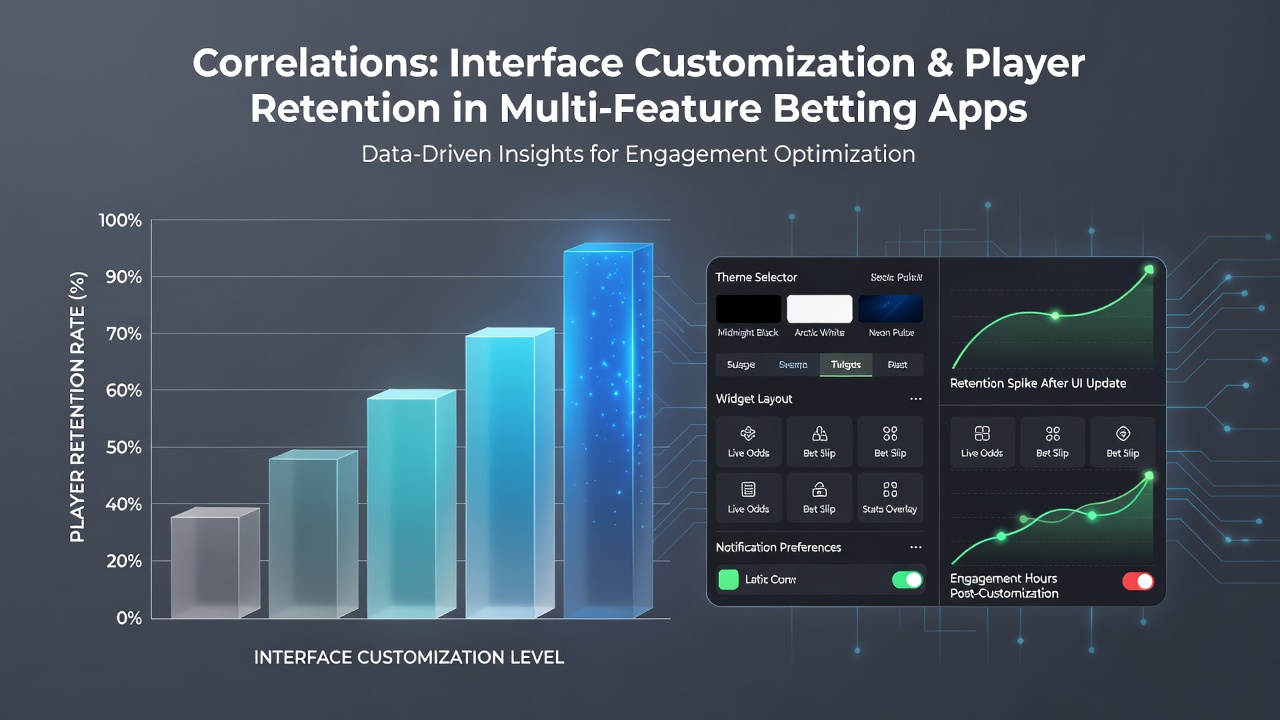
Multi-feature betting applications have expanded their interface customization tools in recent years, and researchers have begun tracking how these features align with player retention metrics across different platforms. Studies from academic and regulatory sources show measurable patterns when users adjust themes, layouts, notification settings, and dashboard arrangements, particularly in apps that combine sports betting with casino-style games and live dealer options. Data collected through 2025 and into mid-2026 reveals that retention often improves when customization depth increases, yet the strength of that link varies by device type and user segment.
Customization Features Commonly Offered
Modern betting platforms allow users to select color schemes, rearrange bet-slip positions, toggle between compact and expanded views, and set personalized alerts for odds changes or event starts. These options appear more frequently in applications that serve both mobile and desktop users, where developers integrate modular design systems that let individuals save multiple profiles. Observers note that such flexibility reduces friction during sessions, and platform analytics indicate longer average session durations when at least three customization categories remain active.
Retention Data Patterns Across Studies
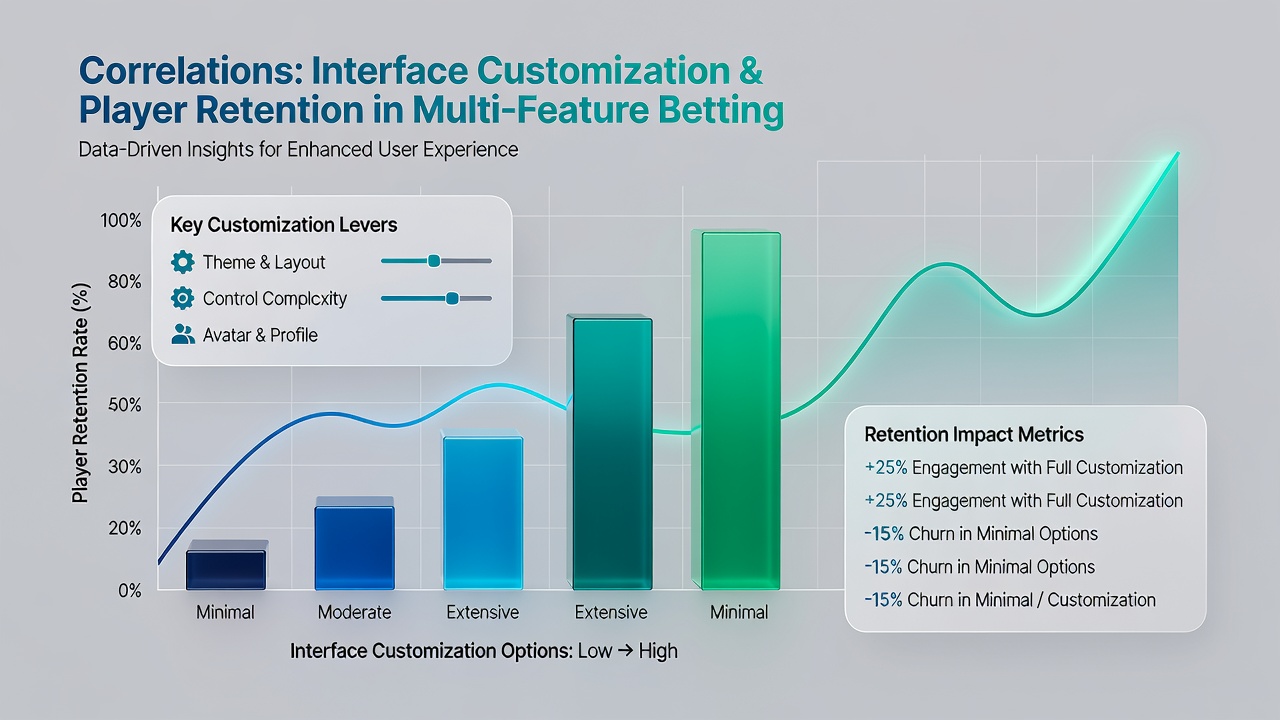
Figures from industry reports and university-led analyses demonstrate correlations between the number of enabled customizations and 30-day retention rates. One examination of North American operators found that accounts utilizing layout personalization retained at rates 12 to 18 percent higher than accounts with default settings only. Similar patterns emerged in Canadian markets, where data compiled by iGaming Ontario showed that players who adjusted notification preferences maintained activity levels above baseline through the first quarter of each year. Researchers further observed that retention gains plateaued once customization choices exceeded seven distinct toggles, suggesting diminishing returns beyond a certain complexity threshold.
Device-Specific Influences on Outcomes
Mobile interfaces produce stronger correlations than desktop versions, according to aggregated usage logs reviewed in 2026. Users on smartphones who customized color palettes and quick-bet buttons showed improved return rates within 48 hours of initial setup, while desktop users exhibited smaller lifts tied mainly to dashboard widget placement. The difference appears linked to touch-screen interaction demands, where visual and spatial adjustments help users navigate crowded multi-feature menus more efficiently. August 2026 telemetry from several operators confirmed that mobile retention curves rose most sharply when customization occurred within the first three sessions after download.
Interaction With Multi-Feature Environments
Applications that combine sportsbooks, slot libraries, and table games present additional variables. Players who applied custom filters to separate game categories retained higher percentages of their initial deposit activity across a 60-day window, per findings referenced in analyses from the University of Nevada, Reno. The same reports noted that simultaneous customization of both betting and gaming sections produced additive effects, whereas isolated changes in one section yielded smaller retention improvements. Those who studied these platforms also recorded that seasonal events, such as major sports tournaments, amplified the retention benefit when users had pre-set personalized alert systems in place.
Geographic and Regulatory Context
Regional differences surface when examining how customization availability interacts with local rules. In jurisdictions with mature digital frameworks, operators report steadier retention uplifts tied to personalization tools, while emerging markets show more variability linked to onboarding friction. A review released through Australian research channels highlighted that apps offering region-specific language and currency toggles alongside visual customizations achieved higher repeat-visit rates during the 2025-2026 period. These outcomes align with broader trends tracked by multiple oversight bodies that monitor user engagement without prescribing specific design mandates.
Conclusion
Available data establishes consistent, if not uniform, correlations between interface customization depth and retention metrics in multi-feature betting applications. Retention advantages appear most pronounced on mobile devices, within the first several weeks of use, and when multiple feature categories receive simultaneous adjustments. Continued monitoring through late 2026 will clarify whether these patterns hold as platforms introduce further modular options and as user expectations evolve.